-
 Save The Strawhall Woodland, Carlow, IrelandWe have come together to draw attention to a 28.87 acre site being sold in Carlow. Gateway & Adjoining Lands, Strawhall, Athy Road, Carlow Town, Co. Carlow is for sale by Greencore Group plc. Advertised as “Tremendous potential for further development” There is zero mentioning of any mature trees nor woodland within the advertisement; lot 6 has a well established woodland (Link below for sale details) We are calling on you to help us protect these trees from potential destruction. We want these woodland back as a public amenity. . We want to protect the wildlife under the Wildlife Act 1976 that call this place home already. Trees are vital to preserve and hugely important to biodiversity in the ongoing climate change. And as we have seen before, trees and woodlands removed overnight; we have come together to prevent this from happening. We need our trees! Though this is not solely about the trees and wildlife this is about the community coming together seeing the potential these lands already have for the community. For our future community. Protecting and enhancing our environment for future generations. And only a brisk walk away from our town centre. What we need? We need time. To buy time we need support. We need you to join us, sign our petitions, and share our social posts. Write your support to newspapers. Contact the local representatives. Contact the Carlow County Council. Spread the word for the love of our trees we are coming together! Already a large community has come together in Carlow and further nationwide to bring these woodlands into the public domain. We hope you will share some support and hopefully some day you will get to come visit 😉 Contact us [email protected] (Link to sale details below in "campaign website")532 of 600 SignaturesCreated by Tanya LaC-O'N
 -
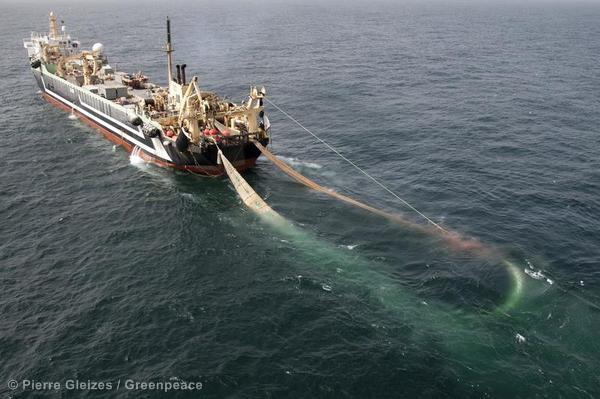 Ban super factory ships in Irish watersLet's send a clear message to the Irish Government and the European Commission that it's time to ban super trawlers and to ensure a sustainable fishery that supports coastal communities around Ireland and Europe.6,816 of 7,000 SignaturesCreated by Daniel Brosnan & Pádraig Mac Lochlainn
-
 Create awareness of sustainable printing solutions in IrelandPrinting doesn't have to cost the Earth - we can use recycled paper and cardboard, non-toxic ink, set-up multi-use purposes for printed material, re-fill ink cartridges. Let's start with our ink - printing wholesalers to offer consumers ink-fills for costly cartridges.5 of 100 SignaturesCreated by Caroline Reapy
 -
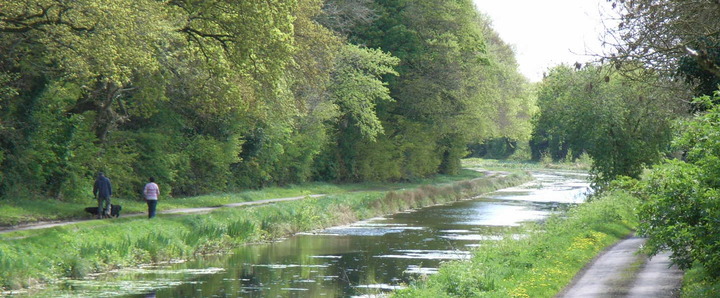 Keep Trees on the Royal Canal GreenwayTrees are essential to our existence. They provide us with oxygen, reduce carbon and give life to the world's wildlife. Saving our trees will reduce greenhouse gases, protect our wildlife and bees, and make sure our environment and communities can be enjoyed by future generations.34 of 100 SignaturesCreated by Gildas O Laoire
 -
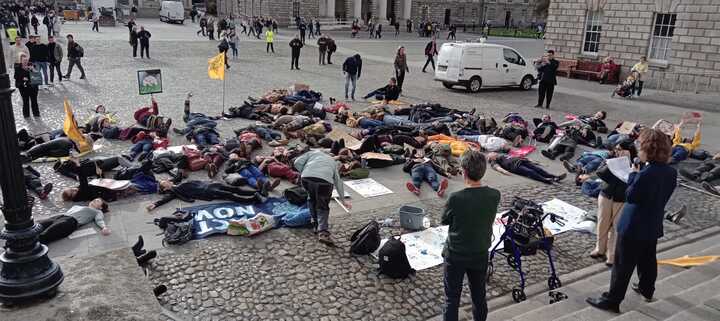 TCD: Endorse the Fossil Fuel Non-Proliferation TreatyThe Fossil Fuel Non-Proliferation Initiative The burning of fossil fuels is the prime reason for the exacerbation of the climate crisis and – already today – responsible for one in five premature deaths worldwide. The Fossil Fuel Non-Proliferation Treaty Initiative calls for a global treaty that would govern the phasing out of fossil fuels in line with the 1.5 degrees goal agreed upon in the Paris agreement. The treaty has been endorsed by the European Parliament, the Vatican, Vanuatu, Tuvalu, the WHO, 70 cities and subnational governments, 101 Nobel laureates, and over 3000 scientists and academics.92 of 100 SignaturesCreated by TimeToAct TCD
 -
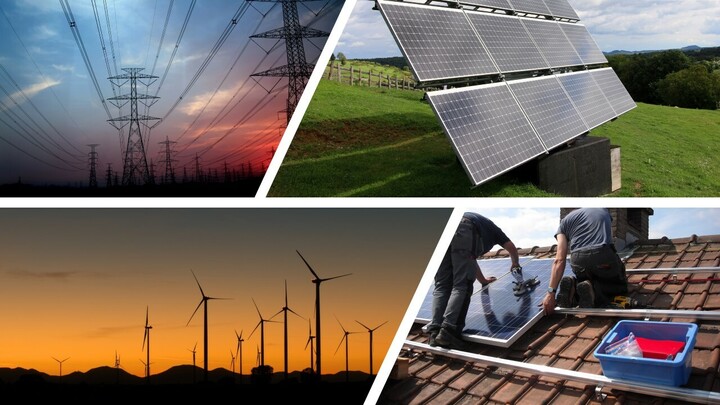 Provide Consistency and Transparency in the Presentation of Electricity TariffsPlease see the YouTube video I have created to explain why you should sign this petition (see updates for link). It is difficult if not impossible to understand all the electricity plan variables, and to make an informed choice as things stand today. I created an excel model to assist with this decision making process, but excel skills should not be necessary for a consumer to pick their electricity plan!322 of 400 SignaturesCreated by Kirsty Halloran
-
 Stop giving airtime to Climate Deniers on Irish mediaAt a time when we need to be pulling out all the stops to reduce greenhouse gas emissions and prevent the worst climate change scenarios, it is very misleading and confusing to audiences to hear people with climate denier agendas espousing policies that will instead dig us deeper into the climate crisis. The Chairman of companies Clontarf Energy Plc and Petrel Resources, Mr David Horgan, is an example. Between them, these two companies are involved in oil and gas exploration in Ireland, Iraq, Ghana and Chad. Mr Horgan has signed the world "There is no Climate Emergency" declaration (part of a project by Clintel - a lobby group funded by two Dutch millionaires) yet on 27th August he was on Newstalk's Anton Savage show to discuss "Tackling the Energy Crisis & Budget 2023 Look Ahead". In fact, he is regularly given spots on RTE, Newstalk, Today FM and Radio Nova to espouse views which no doubt stand to improve the market for fossil fuels which his companies profit from. Photo credit: Fringer Cat @nittygritty_photo1,039 of 2,000 SignaturesCreated by Angela Deegan
 -
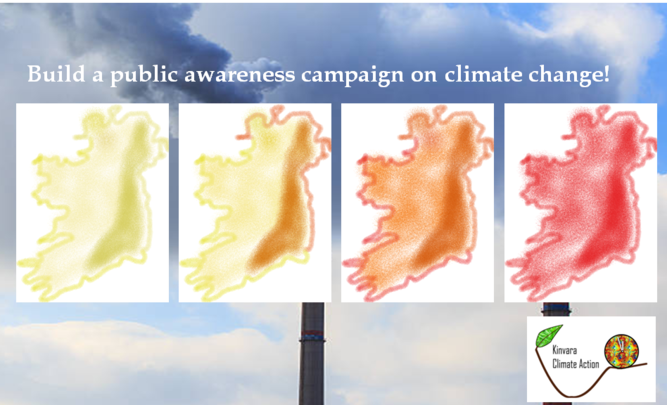 Build a Public Awareness Campaign on Climate Change!The climate crisis is accelerating rapidly with droughts, wild fires, heat waves and flooding appearing in the news more and more frequently. It is crystal clear that action on the climate crisis is extremely urgent. Ireland has passed into law a climate bill that includes the target of a 51% reduction in emissions by 2030 which will be outlined in the Carbon Budgets. In order to achieve this ambitious target massive changes to the economy and how the country functions will be necessary. The Irish public is woefully under-prepared for the transition which will need to take place. In the past the Irish Government has run campaigns to build awareness among Irish citizens in matters of public safety such as the covid-19 campaign ( gov.ie - COVID-19 (Coronavirus) (www.gov.ie) and the road safety campaign ( Ireland’s Government Road Safety Strategy 2021 - 2030 (rsa.ie). Climate change is a matter that will impact the safety of all Irish Citizens. A public awareness campaign on the climate crisis is desperately needed. At a minimum the climate awareness campaign should include the following topics. • The science of climate change, how gases such as Carbon dioxide, Methane and Nitrous oxide are warming our atmosphere and the sources of such gases. • Information on how these impacts will affect us including food security, water scarcity, increased frequency of drought, fires, flooding and storms, coastal erosion, pandemics and sea level rise. • Tipping points in the climate system which could accelerate climate change if we don’t act quickly enough. • Build awareness around a 1.5 degree global temperature rise and what it means compared to 2 degree temperature rise. • Information on what’s driving climate change including our reliance on fossil fuels, consumption choices, farming systems, diets and destruction of the natural world. • Information about how natural systems are under threat and how deeply we are reliant on the natural world; as healthy habitats and species are fundamental to and deeply intertwined with our own health and wellbeing. • Information about nature based solutions, such as re-wilding, rewetting bogs, slowing water down in catchments, planting continuous cover native forests. The campaign should be endorsed by respected scientists and overseen by the Climate Change Advisory Council. Finally, people are feeling powerless in the face of the catastrophe ahead. Collectively we need to push past the denial or cognitive dissonance which has paralysed us, into a place where we actively engage with the issue. The public need clear leadership from the government on the Climate Crisis. Please sign this petition and join us in urging the government to develop the climate awareness campaign that we so desperately need.858 of 1,000 SignaturesCreated by Jen Fisher
 -
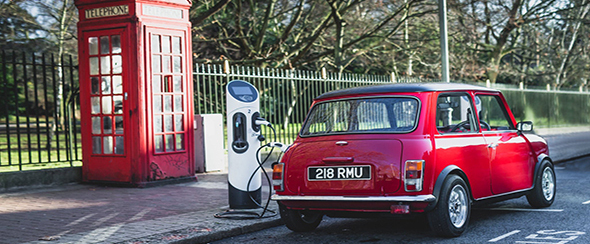 Demand Government Subsidies For EV Conversions In IrelandIreland has repeatedly missed its greenhouse gas emissions targets and, with the transport sector accounting for 20% of the nation's CO2 emissions, switching to electric vehicles represents a great opportunity to cut emissions quickly. This also has the benefit of reducing air pollution, which will benefit public health, while the cheaper running costs will help many who are already struggling due to the Cost of Living Crisis. At present, incentives are only available for brand new electric cars - which makes them unaffordable for the majority of people. This is also delaying an affordable second-hand EV market, which needs to be prioritised if the majority of people are to be able to make the switch. A key mantra for tackling the Climate Crisis is doing more with less. Converting petrol, diesel and hybrid cars to run as full EVs is a great example of this – as it takes cars that run perfectly well, but which have high and harmful emissions, and delivers all the benefits of electric cars – such as lower running costs and no air pollution – at an affordable price. We have previously seen the Irish Government offer scrappage schemes for cars – but this has come at the cost of a lot of metal, plastic and oil waste. By funding EV conversions instead of supporting scrappage schemes, the Government can not only avoid unnecessary waste, but also help to keep natural resources in the ground by effectively recycling the cars that we already have. The French Government has made EV conversions available for a price of just €5,000, which is a much more realistic entry point for most people in Ireland. Especially during a cost of living crisis57 of 100 SignaturesCreated by Tom Spencer
 -
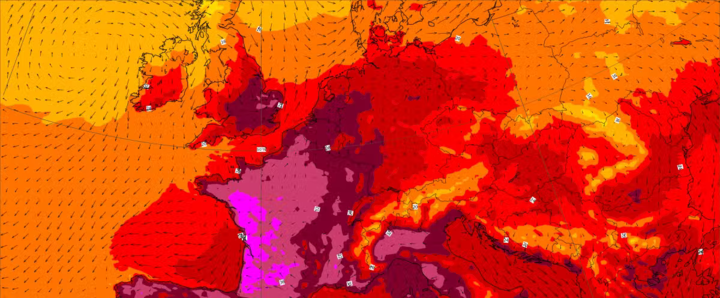 Introduce a statutory maximum working temperatureHot weather can make work unbearable and with record temperatures likely to be a trend in Ireland, we should introduce a statutory maximum working temperature after which employees are sent home.12 of 100 SignaturesCreated by Harvey McDermott
 -
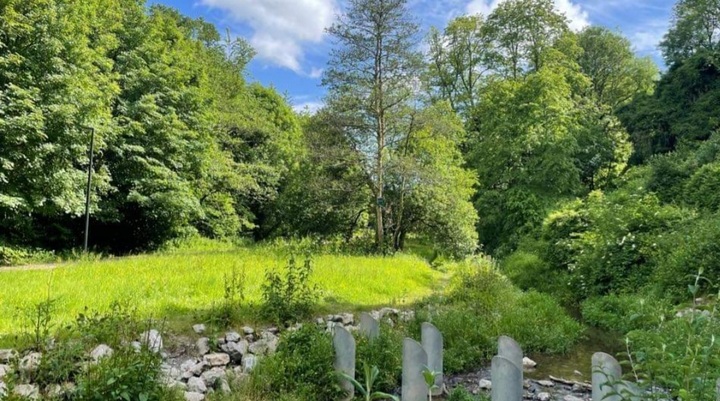 Save the MangalaOur beloved Mangala is a unique area of woodland in the heart of Douglas. It's an area of natural beauty and is full of biodiversity including many protected species. The destruction of natural habitats and mature woodland is not acceptable. The Mangala is also of huge historical importance because of its close connection with Morough Mills. The Mangolds, locally called Mangles, that gave it its name were grown there to be used in the mills. The woods is a haven that generations of us have enjoyed and continue to do so. The people of Douglas won't stand for this. We won't allow the destruction of OUR Mangala3,123 of 4,000 SignaturesCreated by Nina O'Neill
 -
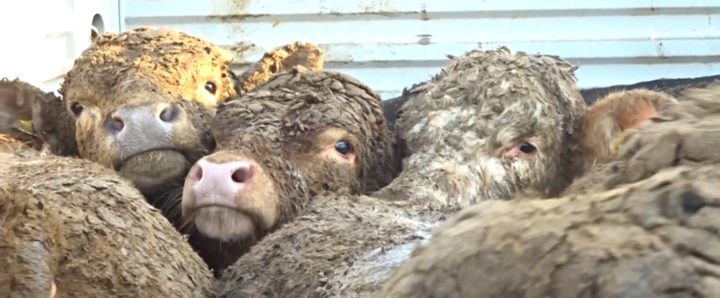 Stop Live Export!Long-distance journeys cause unnecessary suffering to animals. They can become exhausted, sick and injured, hungry, dehydrated and stressed, having to cope with high temperatures and humidity and extensive periods in cramped, filthy conditions, sometimes with little or no food and water. Every year thousands of young bulls are exported to countries outside the EU including Turkey, Libya, Lebanon and Morocco. As if that wasn’t bad enough this year new markets have been sought and shipments have gone to Jordan and Egypt. A trade deal with Israel has also been ageed for cattle and sheep. THIS IS GOING IN THE WRONG DIRECTION! These are all countries with no or minimal animal welfare regulations in place and appalling standards, particularly at slaughter. These bulls are subjected to unimaginable suffering, crammed into hot, filthy vessels for up to two weeks, usually just to be slaughtered in a brutal manner shortly after arrival at their destination. Slaughter methods in these destination countries include slashing tendons, stabbing in the eyes, being strung up by a rear leg, multiple slashes at the throat, being hit over the head with poles, all whilst fulling conscious and in front of other animals. The slaughterhouse workers have a lack of education, and training, lack of facilities, there is no vet present and there is little in the way of legislation. Street slaughter is common. We are calling for the Minister to ban export to all countries outside the EU that do not share our welfare standards, both in documented legislation and in practice. You can find out more about the industry here: https://www.ethicalfarmingireland.com/live-export/6,670 of 7,000 Signatures
Hello! We use cookies to save you time and show you more relevant campaigns. Need more information?