-
 Feed a Student. Build a LeaderSome students don’t need more motivation. They just need a meal. Right now across Ireland, too many students are studying hungry, skipping meals to pay rent or travel to class. Hunger isn’t just physical. It drains focus, energy, and hope. When we feed students, we’re not just helping them survive college. We’re helping them show up fully, to learn, lead, and become who they’re meant to be. This is why we’re building Crave Christi Student Sponsorship, to make sure no student is left behind because of an empty plate. Join us in turning compassion into action. Together, we can make student hunger impossible to ignore. Because hunger shouldn’t be part of the college experience. Not here. Not now.85 of 100 SignaturesCreated by Crave Christi
-
 Support Schools, Parents, and children: Review New SNA ProvisionsThis heartfelt appeal from parents, educators, and SNAs across Ireland highlights the urgent need to reconsider new Special Needs Assistant (SNA) guidelines. The proposed changes—rigid staffing limits, narrow definitions of need, and rushed implementation—risk dismantling inclusive education and jeopardizing the well-being of children with Autism and complex needs. Without adequate SNA support, vulnerable children face emotional distress, medical risks, and exclusion from mainstream classrooms. Families are pushed to crisis, teachers are overwhelmed, and the entire school community suffers. The call is clear: listen to lived experiences, and build a fair, responsive, and properly funded system that protects every child’s right to feel safe, supported, and included.58 of 100 SignaturesCreated by Rosalind Tarshees
 -
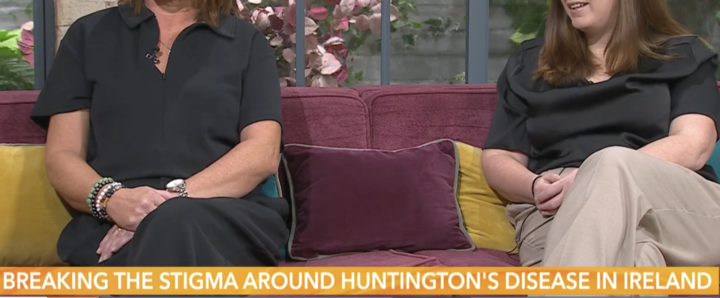 Huntington's Disease families in Ireland - Please sign to support and end the neglectWhy This Matters — To Everyone Huntington’s disease families in Ireland have been promised and then denied basic care and support. We are a small, relatively rich country and our healthcare system is failing those who need it as well as those who work in it. Sign this petition to support families : • Proper Huntingtons Disease care through specialist multi-disciplinary teams (like Scotland has - same population but a specialist team in all 7 major cities) • A health system ready for advanced therapies like the Uniqure trial making the news • Leadership that keeps its promises Because a health service that fails us today will fail our tomorrows.1,075 of 2,000 SignaturesCreated by Amanda Spencer
 -
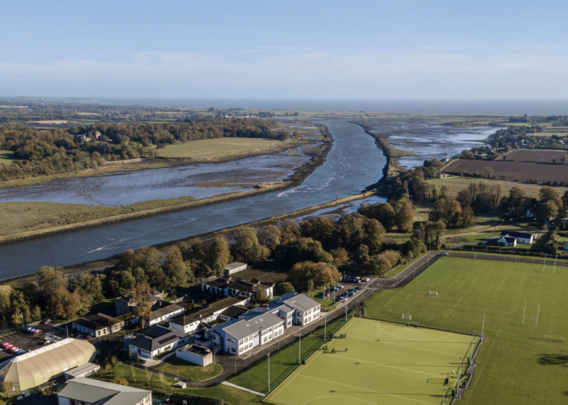 Build Footpaths to DGSThe Green Schools Committee held a survey last year that found not one student currently walks or cycles to school from off-campus. Not because they don’t want to, but because they can’t do it safely. This needs to change. Footpaths from one or both directions would create healthier and safer route to school, as well as meaning less traffic on the roads. If you agree it’s time for change, please sign the petition. For safety, choice and a more sustainable school community. Image - https://www.droghedagrammarschool.ie/Welcome/How-our-school-is-run/447 of 500 SignaturesCreated by Conall McNally
 -
Let Isidora Learn!Isidora has fought hard for her education, but now she risks losing everything if she cannot resolve this issue by November.2 of 100 SignaturesCreated by Rachel Roche
-
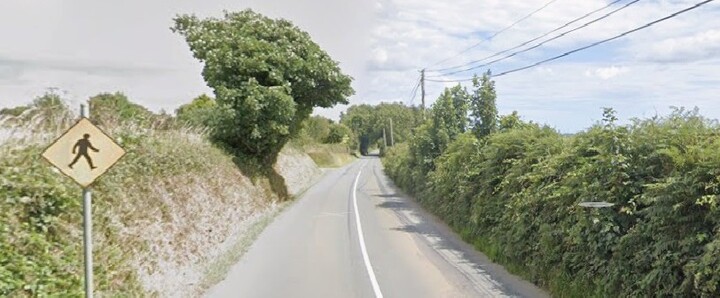 legislate for legal safe distance when overtaking pedestrians on all Rural and Local roadsI live on a Local road. i see all types of pedestrians using this road for their daily walks. these include i see families with young children i see mothers pushing their prams. i see dog walkers. i see elderly friends of the locality going about their daily keep fit walks , some with hi-viz jackets. i myself have had lots of near misses with passing vehicles failing to give an inch when overtaking me. i have spoken to walkers who will not use certain roads because they are afraid to walk on the roads.3 of 100 SignaturesCreated by andre hendrick
 -
 Safe Parking for Kilmacullagh Road Schools NowWhy is it important? The current parking and traffic situation on Kilmacullagh Road is unsafe for children, parents, and local residents. With two schools already operating and two building sites — including a new crèche — the road is becoming increasingly congested, creating real risks for accidents, delays, and conflicts in the community. Action now will prevent serious incidents and ensure a safer environment for everyone. Why should other people join? This issue affects the entire community: parents, children, local residents, and businesses. By joining the campaign, you help show decision makers that this isn’t just an individual concern, but a collective problem that needs urgent attention. Together, we can push for proper planning, safer roads, and better facilities for Kilmacullagh Road.117 of 200 SignaturesCreated by Tanya White
-
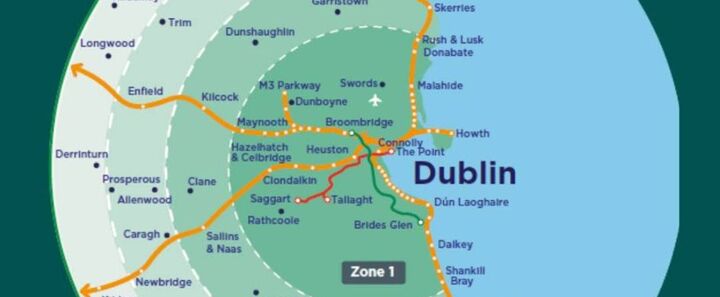 Remove new TFI fare systemSeverely impacts people travelling to work, school, college. Especially people such as myself living on the border between zones Public transport becomes generally more expensive than just buying a car and fuelling up weekly.7 of 100 SignaturesCreated by Alise Popovica
 -
Fair GEM Fees Ireland• Fairer access to medical education: places allocated based on competence not on financial privilege • Higher quality candidates, more likely to produce higher quality doctors • Reduce permanent emigration of Irish Doctors183 of 200 SignaturesCreated by Plunkett McCullagh
-
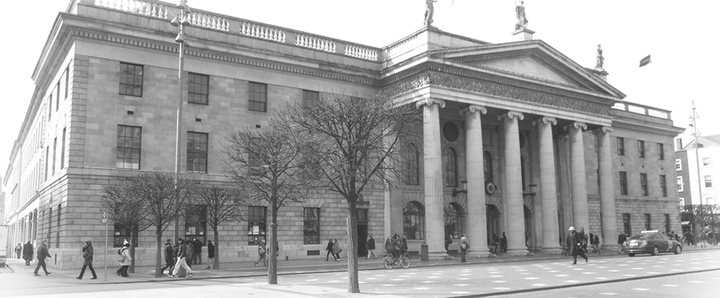 The Irish Academy of Fine Arts, at the GPOWhy the GPO? The GPO offers a rare and remarkable opportunity. Many of the great academies of Europe, such as the Royal Academy in London, the Repin Academy in St. Petersburg, the Ecole de beaux Arts in Paris, and the Royal Academy in Stockholm, are landmark institutions in landmark buildings, of which those cities are rightfully proud. Ireland has a unique opportunity to create something similar: an institution worthy of our capital city, the capital of the Gaelic world, that will stand as a rallying point for our national pride and national identity. At a time when narrow, divisive forms of nationalism are on the rise, the Academy would offer a different vision: a symbol of shared cultural achievement and unifying values, honouring Ireland’s past but open to the world, and a source of pride we can all celebrate together. Honouring the GPO’s History The GPO is more than a landmark, it is the symbolic heart of the nation. It was the focus of Ireland’s struggle for freedom in 1916, and it is here that our modern nation was, in many ways, born. To establish an Academy of Fine Arts within the GPO would be to honour that legacy, continuing the spirit of what was called the Poets’ Rebellion. Many of the leaders of the Rising were writers, thinkers, and artists; their vision of independence was inseparable from a vision of cultural revival. In recent years, various proposals have been made for the GPO’s future: as a museum, as a place for shops and offices, even as a Garda station. Yet none speaks as powerfully to the ideals of 1916 as the creation of an Academy: a living institution that would nurture creativity, enrich the people of Ireland, and ensure the GPO remains a place of renewal and not only of our nation, but of our spirit. This proposal is not bound to any political party or ideology. Its purpose is larger: to give Ireland an institution that embodies the highest values of our history, while serving generations to come. Reviving the North Inner City O’Connell Street, the principal street of our capital, should be a place about which Irish people can be proud— a vibrant, beautiful thoroughfare that reflects Ireland’s spirit. Yet today it feels diminished, its grandeur obscured by neglect and visual clutter, and much of the north inner city around it has become uninviting. The Academy of Fine Arts would help change this. By bringing life, learning, and creativity back into the heart of the city, it would restore O’Connell Street as a cultural landmark — a place where people go, not simply to pass through, but to gather, to experience art, beauty, and community. The Academy would act as a catalyst for renewal, helping to regenerate the north inner city and transform Dublin’s main street into a space worthy of its national importance. Art for humanity? All human beings share three universal values: Goodness, Truth and Beauty. Our shared sense of Goodness (or Morality) prompts us to care for and nurture each other, and cultivate communities. Our shared sense of Truth prompts us to be just, allows societies to function, and academic and technological progress to happen. And our sense of Beauty prompts us to appreciate and care for the physical world that we live in. These values are common to all mankind and comprise the core of our shared humanity. They are innate in all of us, but they are corruptible, and must be cultivated and defended. When any of these values become undermined, our humanity becomes undermined, and societies can begin to act in ways that are uncaring, regressive, and destructive. There are many examples of this from history, and sadly, from the present day. It is as important to a harmonious, just and humane society that it has highly trained artists as it is that it has highly trained doctors or soldiers. In Ireland, we have done much to protect and advance Goodness and Truth through our social and academic institutions. But beauty has too often been neglected. The erosion of artistry, craftsmanship, and the abandonment of the pursuit of beauty in art education, over successive generations, has left its mark on our culture and our environment. The establishment of an Academy of Fine Arts will not undo this damage overnight, but it can begin to restore the balance, helping Ireland to move forward again with a renewed commitment to Beauty, alongside Goodness and Truth, as the foundation of an enlightened and flourishing society.2,267 of 3,000 SignaturesCreated by Alan Clarke
 -
Keep Your Promise - Don't Hike University FeesThe decision to restore the student contribution fee to €3,000 represents more than just an additional €1,000 expense - it creates a significant financial barrier for thousands of students and families. Many do not qualify for means-based grants and are already struggling under high living costs, including steep rent and energy bills. This reversal flies in the face of the Programme for Government’s promise to “continue to reduce the Student Contribution Fee over the lifetime of the Government”. AMLÉ, the national student union, has voiced serious concern, warning that this rollback could lead to increased deferral rates, dropouts, or a migration of students abroad . This move comes despite the Government sitting on an estimated €8.5 billion surplus and would cost just around €100 million to maintain the €2,000 fee . This isn't merely a budgetary decision—it’s a question of whether our politicians keeps their promises, prioritise equity in education, and invest in the future of Ireland’s higher education.2,153 of 3,000 SignaturesCreated by Patrick O'Brien
-
 Deportation Amnesty for Children in the Irish School System for a year or more.Ireland must not be a country where children are punished for seeking refuge and for the failures of the Irish asylum process. We must be a nation that values protection, compassion, and justice, especially for the most vulnerable.2,162 of 3,000 SignaturesCreated by Rachel Flynn
Hello! We use cookies to save you time and show you more relevant campaigns. Need more information?