-
 Introduce Centralised Garda Vetting for Special Needs Assistants (SNAs)Special Needs Assistants (SNAs) play a vital part in the lives of pupils with Special Educational Needs and Disabilities (SEND). The current lack of centralised Garda Vetting makes it very hard for SNAs to work in schools, as at the minute they have to vetted for every single school they might want to work in. This means that schools can often struggle to get a substitute SNA since the SNA is not vetted for their school (even if they are vetted for the exact same role in other schools), resulting in pupils missing out on important educational supports. If other professionals can have centralised vetting, like how teachers have universal vetting through The Teaching Council, why can SNAs not have the same option? Centralised vetting would also help to reduce the amount of time and resources that school management members would have to spend preparing SNA vetting paperwork for SNA staff. Even if a nationwide organisation was set up to manage the centralised vetting of SNAs, most SNAs would appreciate being part of a group where they can connect with other likeminded SNAs and peers. The role of an SNA is often misunderstood and overly simplified by people, so it would be a nice acknowledgement of the importance of their everyday work with SEND pupils. Thank you for taking the time to read this, hopefully it will result in the introduction of centralised Garda Vetting for SNAs in the near future! Amy Reynolds *I am a qualified Special Needs Assistant (SNA), Teaching Assistant (TA) and Teaching English as a Foreign Language (TEFL) teacher. I am passionate about education, particularly inclusive education, and the benefits it brings, especially for pupils with SEND. I myself have struggled to get opportunities to work as an SNA (even as a substitute) as my vetting for other settings would not cover me for that particular school. I now work in pharmacy and am completing an apprenticeship pharmacy technician style course. I would like my future work to combine education and pharmacy / healthcare*175 of 200 SignaturesCreated by Amy Reynolds
 -
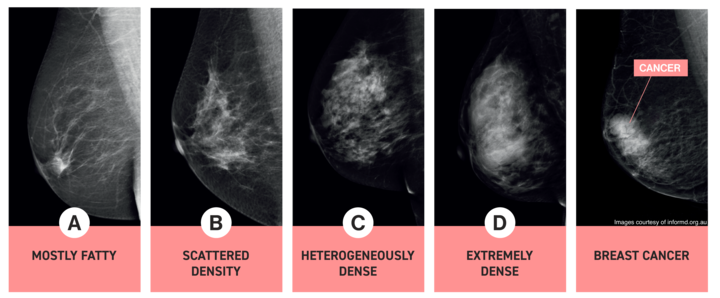 Mandate Breast Density Reporting for All Irish WomenEvery year, thousands of women in Ireland undergo mammograms through BreastCheck, trusting the results they receive. But for the 43% of these women with dense breasts, a "clear" mammogram does not necessarily mean they are cancer-free. • Up to 50% of cancers in dense breasts go undetected on mammograms because both cancer and dense tissue appear white, making tumours almost impossible to see. As a result, 1 in every 2 Irish women with dense breasts may have their cancer missed. • Women with dense breasts are 4-6 times more likely to develop breast cancer than those with lower density. • Breast density is a stronger risk factor than having a family history of breast cancer, yet women in Ireland are not informed about it. • Breast density can only be detected via a mammogram - it is not something a woman can feel. • Despite the serious implications of breast density, Ireland does not inform women whether they have non-dense or dense breasts. This leaves many unaware of their potential increased risk and the need for additional screening, such as ultrasound or MRI. Other countries, including the United States, Canada, France, and Australia, already notify women of their breast density, ensuring they have the information they need to advocate for their health. Irish women deserve the same. Breast density is categorised into four groups: • A (Mostly Fatty) and B (Scattered Fibroglandular Tissue): These are considered non-dense breasts, where cancer is generally easier to detect on a mammogram. • C (Heterogeneously Dense) and D (Extremely Dense): These are classified as dense breasts, which can make it harder to detect cancer, and also increase the risk of developing it. Women deserve to be informed whether they have dense or non-dense breasts so they can seek appropriate screening if needed. A major European study (D.E.N.S.E. Trial, Netherlands) has led to new EUSOBI (European Society of Breast Imaging) recommendations, stating: • All women should be informed of their breast density • Women with extremely dense breasts should receive additional screening with MRI 👉 Read the study: EUSOBI Recommendations This is a global issue, but Ireland has the opportunity to take the lead. We need to demand transparency and better screening for all women. 📖 Learn More About Breast Density To read more about why breast density matters and how it affects breast cancer detection, please read this in-depth piece on Her.ie that explores the science, the risks, and the urgent need for policy change. Read it here. A Call to the National Screening Advisory Committee (NSAC) We also call on the National Screening Advisory Committee (NSAC) to urgently evaluate the inclusion of breast density reporting within Ireland's BreastCheck program. Currently, BreastCheck does not collect or report breast density information, leaving many women unaware of the risks associated with dense breast tissue. It’s crucial that NSAC acknowledges the need for change and works toward a systematic notification protocol for breast density. By doing so, the NSAC can help ensure that women with dense breasts are informed about their density and offered additional screening, such as MRI or ultrasound, in line with international recommendations from the European Society of Breast Imaging (EUSOBI). This step will allow women to make informed decisions about their health and reduce the risk of undetected cancers. My Personal Story I know firsthand how devastating this lack of information can be. My amazing mum, Marian Lovett, always attended her routine BreastCheck screenings and was given a clear result in 2022. She had no reason to worry, but just a year later, she was diagnosed with stage 4 metastatic breast cancer- a terminal diagnosis. She later learned that her dense breast tissue likely masked the tumour on her mammogram, meaning her cancer could have been missed in previous scans. She was never informed about her breast density, never advised to seek additional screening, and never given the chance to detect her cancer earlier. My mother passed away in August 2024, taken far too soon. She was deeply frustrated that this critical information had been withheld from her, and she wasn’t alone - so many women have faced the same devastating reality. That’s why I am fighting for change on her behalf. 📖 Read More About My Mum’s Story I share my mum’s story in an article on Her.ie, highlighting how a lack of breast density notification contributed to her late-stage diagnosis. Read it here. A Collaborative Effort for Change This petition is launched in collaboration with Siobhán Freeney, a dedicated patient advocate and founder of BeingDense.com, Ireland’s leading resource on breast density awareness. Siobhán has tirelessly campaigned for transparency in breast screening after her own cancer was missed due to extremely dense breasts - something she was never informed about. Her experience, like my mother’s and so many others, has driven her to fight for mandatory breast density notification so women can access essential screenings before it’s too late. Through BeingDense, Siobhán has worked to educate women, raise awareness among healthcare professionals, and push for policy change at the highest levels. While this petition focuses on improving breast screening policy in Ireland, it is also part of a global movement to ensure better breast cancer detection and prevention. Siobhán has also launched her own petition on Change.org, calling for similar action. By signing both petitions, you can strengthen the case for change and help ensure that all women receive the information they need. 👉 Sign Siobhán’s Petition Here Women in Ireland deserve access to all the information about their own health - just as women in other countries already receive. Join us in demanding that Ireland finally listens. Sign our petition now to help ensure no more women are left in the dark about their breast health.14,057 of 15,000 SignaturesCreated by Martha Lovett Cullen
-
State Funded HRT As Promised Budget 2025It was promised in the Budget to be rolled out in January 2025, but the government hasn't delivered free HRT. This would support a struggling demographic, i.e. Peri-menopausal and menopausal women. HRT can enable women going through menopause to manage symptoms such as increased anxiety, depression, hot flushes, misophonia, panic attacks, insomnia etc (there are at least 35 symptoms) thereby ensuring women can live a more productive and fulfilling life and maintain good relationships. HRT is also heart and bone loss protective. It supports working single women who receive very little tax benefits compared to those that are married and or are mothers through no fault of their own.1,655 of 2,000 SignaturesCreated by Louise O'Donovan
-
Keep HHC Legal in IrelandIf the Irish government bans HHC, it will cause more harm than good. Here’s why it’s crucial to keep HHC legal in Ireland: 1. A Ban Will Create a Dangerous Black Market Prohibition doesn’t stop demand it just pushes sales underground. Illegal HHC will be unregulated and unsafe, increasing the risk of contamination with harmful chemicals. Consumers will turn to riskier alternatives, including synthetic cannabinoids that are known to cause serious health issues. Criminal markets will profit, taking money away from responsible Irish businesses and putting it in the hands of unregulated dealers. 2. Legal HHC Ensures Consumer Safety Right now, HHC products in Ireland are lab-tested, properly labeled, and sold by licensed retailers. Keeping HHC legal means quality control—consumers know exactly what they’re getting. With a ban, people will be forced to import unregulated products online or buy from street dealers with no oversight. 3. The Economic Impact Will Be Devastating Irish businesses will suffer. Vape shops, wellness stores, and distributors who rely on HHC sales will be forced to shut down or lose major revenue. Jobs will be lost as businesses cut staff or close entirely. The government will lose tax revenue. Instead of benefiting from regulated sales, they’ll push the entire market into illegal, untaxed transactions. 4. There’s No Clear Scientific Justification for a Ban Unlike synthetic drugs like "Spice," HHC is naturally derived and has not been proven to cause serious harm. HHC is milder than THC, making it a safer alternative for those who want relaxation without extreme psychoactive effects. Many people in Ireland use HHC for pain relief, anxiety, and sleep disorders—why take away a product that helps them? If public health is a concern, introducing regulations like age limits and lab-testing requirements is a smarter approach than an outright ban. 5. A Ban Would Be Hypocritical and Unfair Alcohol and tobacco—both proven to cause serious harm—remain legal. It makes no sense to ban HHC while keeping these much more dangerous substances available. Personal freedom matters. Adults should have the right to choose what they consume, especially when it’s a safer alternative to other substances. 6. Ireland Should Follow Smarter Policies, Not Outdated Prohibition Many countries are moving towards harm reduction and regulation, not bans. Regulation is the answer, not criminalization. Instead of banning HHC, Ireland should introduce sensible laws: 18+ age restrictions Mandatory lab testing for purity and safety Clear labeling and dosage guidelines Conclusion: Keep HHC Legal and Regulated The government must consider the long-term consequences before banning HHC. A ban will: ✅ Increase illegal sales ✅ Make products more dangerous for consumers ✅ Destroy Irish businesses and jobs ✅ Take away a safer alternative to more harmful substances Instead of banning HHC, Ireland should focus on proper regulation to ensure safety, quality, and responsible use. REPUBLIC OF IRELAND 🇮🇪286 of 300 SignaturesCreated by Louis Garland

-
Running Track for McAuley ParkThis will be an important resource for local fitness & possibly allow us to organise a weekly park run.744 of 800 SignaturesCreated by Trina O’Connor
-
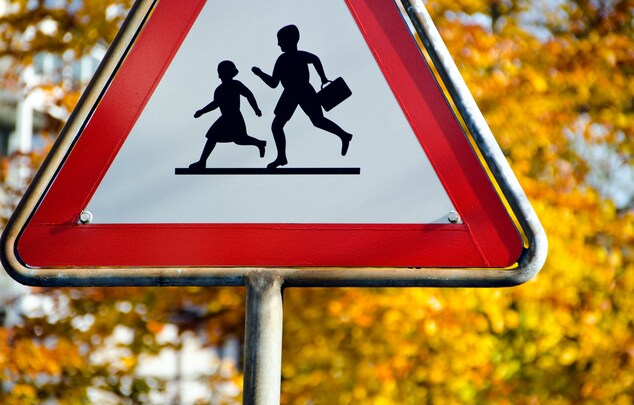 Speed signs - Semple WoodsThis is a campaign for change to introduce driving improvements for child safety across Semple Woods. As the estate grows we will see an uplift in cars and traffic. That is why speed signs are important.96 of 100 SignaturesCreated by Corina Zambra
 -
 Make treatment Pluvicto available for men with prostate cancerMen with Prostate Cancer who have come to end of chemotherapy may require a therapy called Pluvicto , to help extend what ever time they have left. The vast majority of men in this country will not be able to afford this treatment. Up to at least 100 men a year will require this treatment and while we understand this treatment is expensive , we have to ask are Irish men’s lives and the time they have left less important than any other Irish citizen who needs a treatment. This treatment is widely available in the EU and as such we feel as paying members of the EU we should be entitled to receive this treatment in Ireland. It is not just men with cancer who would benefit from this being available, wives, partners , children, mothers ,brothers ,sisters and friends would love to have some extra time with their loved ones in the last stage of prostate cancer822 of 1,000 SignaturesCreated by Peter Hayes
 -
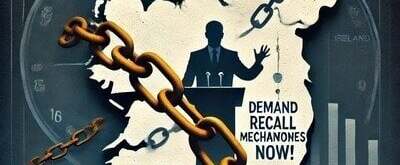 Introduce Legislation Enabling Citizens to Recall Elected OfficialsHere’s why you should sign: ✅ Hold Politicians Accountable – If an elected official ignores their campaign promises or fails to take action on critical issues, voters should have the power to respond before the next election. ✅ Strengthen Democracy – Other democracies like the US, Canada, and parts of Europe already allow citizens to recall politicians. Ireland should modernise its system to give people a stronger voice. ✅ Ensure Promises Are Kept – Campaigns should not be built on empty promises. If politicians know they can be recalled for inaction, they will have a stronger incentive to follow through on their commitments. ✅ Empower Citizens – Democracy doesn’t stop at the ballot box. Irish voters deserve a mechanism to ensure they are truly represented throughout a politician’s term. Signing this petition is a step toward real accountability in Irish politics. Let’s make sure our leaders work for the people—not just for re-election. Sign now to demand change!45 of 100 SignaturesCreated by Catherine Gray
 -
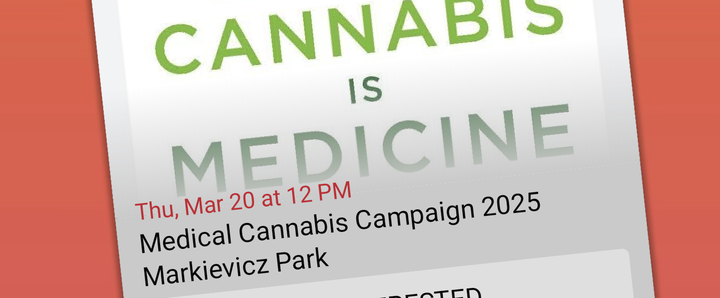 Legalize cannabis in IrelandMany suffering need cannabis to help13 of 100 SignaturesCreated by Micheal Hunt
 -
Keep your promise, roll out free HRT for allCurrently the cost of HRT is prohibitive. In 2024 the Irish government promised free HRT for all starting on 1 January 2025. This promise has not been fulfilled.17 of 100 SignaturesCreated by Elaine Casey
-
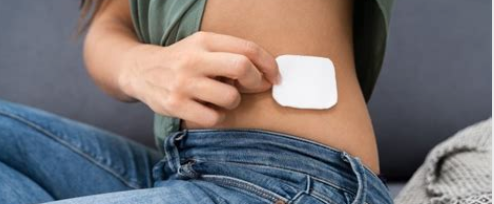 Make HRT free of charge.The Department of Health promised that HRT medicine would be free of charge from the start of 2025. This has not happened and people who need HRT are still paying for it - up to €70 per month. This medicine is life-changing and vital for so many people. We need the Department of Health to prioritise negotiations with pharmacists so that it is made free without delay.111 of 200 SignaturesCreated by Alex Barton
 -
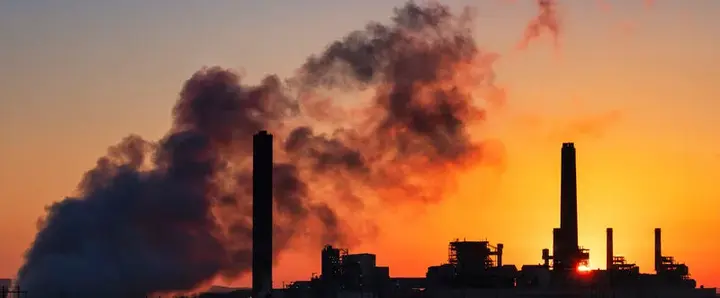 Help Save Lives and Cut Emissions: Support A Weight Tax on new Super-Size Cars in IrelandStatistics from the Society of the Irish Motor Industry indicate that over 50% of new petrol and diesel cars, bought in 2023, were SUVs [1]. Environment: According to the Financial Times, sales of SUVs in Ireland have risen dramatically and are now amongst the highest in the EU [2]. These vehicles, largely driven in urban areas, contribute disproportionately to greenhouse gas emissions, air pollution, and traffic congestion. Their larger size and weight result in increased fuel consumption and road wear, further exacerbating these issues. Their electric counterparts, due to their excessive size are contributing to global shortages of critical metals such as lithium, causing significant environmental degradation & reshaping global politics. Road Safety: Crash data from Belgium from 2017 to 2021 also shows that a 10cm increase in the height of vehicle fronts raises the risk of death by 30% when a car hits a pedestrian or cyclist, according to a study by the Vias Institute, previously the Belgian Institute for Road Safety. The study also illustrated that the risk of fatal injury to drivers involved in road accidents with these vehicles is also higher[3]. In Europe, the average width of new passenger cars increased by about 10 cm since the early 2000s, while average weight has climbed by over 200 kg[4]. By imposing an additional VRT on the sale of non-commercial heavy vehicles, we can encourage manufacturers to stop increasing the size of their cars, and incentivize consumers to choose more environmentally friendly options, such as smaller, more fuel-efficient cars or public transportation. This would help to reduce our carbon footprint, meet our legally binding climate targets and improve air quality. A higher VRT on heavy non-commercial vehicles is a necessary and effective measure to protect our environment and promote sustainable transportation and public health improvements. “The Irish transport system is car dependent by design, is high in greenhouse gas emissions and does not support improved well-being.” — OECD 2022 report Public Health Risks: Cancer and Air Pollution Exhaust fumes from petrol and diesel vehicles are a major source of air pollution, particularly nitrogen dioxide (NO₂) and particulate matter (PM), both of which have been linked to serious health conditions. The World Health Organization classifies diesel exhaust as a Group 1 carcinogen, meaning it is a known cause of cancer in humans, particularly lung cancer. Children, the elderly, and those with existing health conditions are especially vulnerable. SUVs, due to their larger engines and higher fuel consumption, emit more pollutants than smaller vehicles. Reducing the number and size of these vehicles on our roads could significantly decrease pollution-related illnesses and healthcare costs, and help cut road deaths whilst improving overall public health—especially in densely populated urban areas. What we want is not radical. What is radical is that it is not being done. Promoting Equity: By taxing non-commercial vehicles that disproportionately contribute to emissions, a sales weight tax could create a more equitable system where the costs of environmental damage are more fairly distributed between urban and rural dwellers. This could free up resources for other groups such as farmers to be rewarded for investing in sustainable practices. We propose that the revenue collected be directed into improving nationwide public transit as well as better connectivity and parking options for rural communities. Different solutions for different places. Tax the problem. Train the people. Use vehicle weight tax revenue can also be used to create skilled jobs and skills transfer programmes for those working in the automotive sector.8 of 100 SignaturesCreated by Colm Garvey
Hello! We use cookies to save you time and show you more relevant campaigns. Need more information?