
-
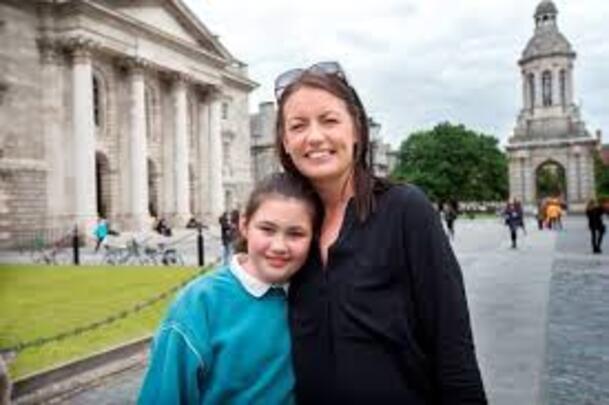 Change the rules so that lone parents can go to collegeI and other lone parents like me want the opportunity to go to college and break the cycle of poverty for myself and my daughter. But without being able to access the Back to Education Allowance this is not possible. I have been offered a place in Trinity College but can't take the offer because I work part time and rely on FIS. The rules were changed last year and are forcing lone parents to remain in poverty.4,726 of 5,000 SignaturesCreated by Erica Fleming
 -
 Keep Lough Key Forest Park In Public OwnershipLough Key Forest Park is a national treasure and must at all costs be kept in public ownership. We're really worried that plans are afoot to sell it or part off, similar to what happened at Newcastle Forest where publicly owned land of which we the Irish people are the stakeholders of was leased to a foreign private company for profit gain. Una Bhan is a 'high' POEM / song in the Gaelic tradition,which tells the tragic love affair she had with a rival of her father.It is widely sung the length and breath of Ireland,and it symbolises our rich gaelic culture.She is buried on an Island close by......our heritage belongs to everyone, and no one!2,566 of 3,000 SignaturesCreated by Ian Hester
 -
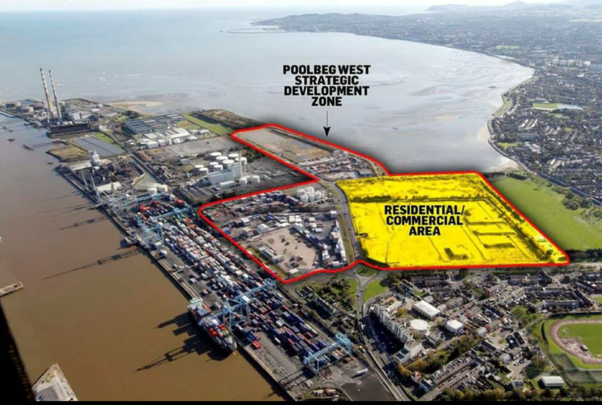 Fight for affordable and social housing for the Irish glass bottle house site Dublin 4For many years now property prices in our local area have escalated beyond belief. For many years there has been no provision of social or affordable housing in our area and regular local people with regular jobs are unable to buy houses in our community. New local developments such as Bolands Mill offer no affordable or social housing as the government allowed the developers to buy back the 10% social housing they should have provided! We as a community need to address this local housing crisis and fight for people of all ages in our community so that we are able to remain living close to our networks of support.607 of 800 SignaturesCreated by Karen Roberts
 -
 DOG & CHIPSNow I am seeking support from all sides that the dog licence fee be done away with and so at least the poor, the lonely and all dog lovers will not have to face this out of date draconian penal tax and perhaps have a few extra bob to spend over Christmas.24 of 100 SignaturesCreated by john Herriott
 -
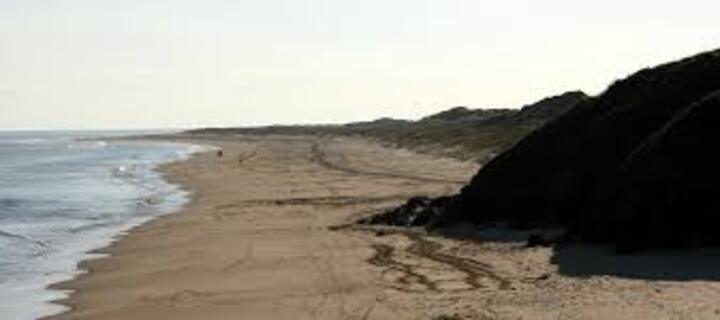 Old Bawn Beach, WexfordThis is a popular beach but a lot of sharp branches are being washed on shore and are sticking out of the sand which is a hazard, especially for young kids.9 of 100 SignaturesCreated by Colin Logue
 -
 Stop industrialising Galway BayThe Marine Institute has applied for a 35 year lease for an offshore electricity generating station in Galway Bay off of Spiddal. There are 5 applications relating to this all to be found on www.environ.ie. Although, there have been a couple of public meetings about this, the most recent meeting in the Connemara Coast revealed that a huge amount of people have very little or no information about what this entails. Indeed, there are too many Galwegians and Clare people who have no idea that this is the plan for Galway Bay. We would like to inform people of the details and have asked the Marine Institute and Simon Coveney, who has the power to sign off on this, for more time to examine the applications and the consequences for Galway Bay and its surroundings. Please help us spread the word quickly as we only have until August 2nd for submissions on this. Unless our TDs and Councillors stall the deadline for us.175 of 200 SignaturesCreated by Mary McDonagh Faherty
 -
 Stop suspended /short sentences for sex offenders & call for the resignation of Judge Gerald KeysOur Judges continuously hand down suspended or short sentences to rapists and those found guilty of sexual assault in this country, including those who sexually assault children. We do not accept these sentences which legitimise the rape of both adults and children and allow dangerous and violent criminals to walk freely on our streets. Enough is enough. If our judges are unable to punish those who have committed these abhorrent crimes, then we call for their resignations from their positions.2,598 of 3,000 SignaturesCreated by Emma O'Leary
 -
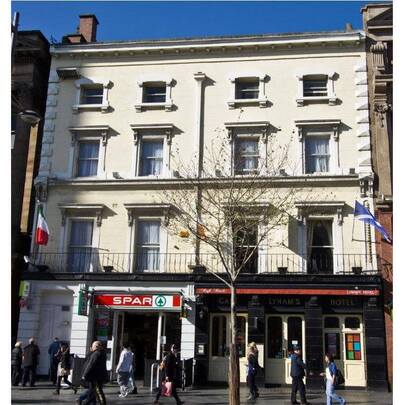 Keep Lynams Hotel Open For Homeless FamiliesNAMA owns Lynams hotel in the middle of O'Connell St. This 47 bed hotel currently hosts many homeless families as 'Emergency Accommodation' -- a last resort for families hit by economic evictions with nowhere else to go. It could host many more -- every single day families are refused and sent to 'self accommodate' which means they have to source their own hotel by phoning every hotel in the city. Lynams hotel can hold more than 40 families and ensure none of these children are left on the streets. NAMA want to privatise this hotel, selling it back to speculators and developers at a huge discount so they can make huge profits from us again. We wont let this happen! Join our fight for a better city, against homelessness, against privatisation, against rent increases and against elite corruption.705 of 800 SignaturesCreated by Dublin Central Housing Action
 -
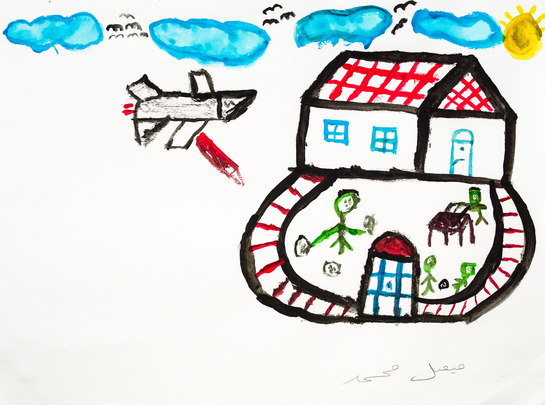 Fastrack flexible family reunification for family members trapped in active war zonesThere is a small number of Syrians living and working in Ireland who are desperately worried about their family members living under siege and relentless bombardment in Syria. Those who are not refugees cannot apply to bring these family members to Ireland. Even for refugees the current system is slow and the rules are restrictive as to which family members can be brought here. We are appealing to the Minister for Justice to urgently bring forward a scheme which will allow for a speedy, wider and more flexible process of family reunification for foreign nationals whose close family members are in imminent danger through war. .282 of 300 SignaturesCreated by Leonie O' Dowd
 -
 Mayo Against Salmon FarmingThe salmon farming industry is detrimental to wild salmon, peoples health and the ecology of the bays where the cages are. Sea lice from the salmon cages easily infest little salmon making their journey to sea, and many don't return to breed. This massively effects angling tourism, coupled with escaped salmon who spread disease. The antibiotics and food used to farm these "organic" salmon is far from healthy. The E.U definition of "organic" is shocking, and I have never in my life heard of antibiotics growing in a field! Mussels and other native life is effected by the salmon farms, they must be stopped! For more information or to help the campaign further contact Tom Moran via the facebook page: https://www.facebook.com/pbpcastlebar Thank you!105 of 200 SignaturesCreated by Paddy Kilbane
 -
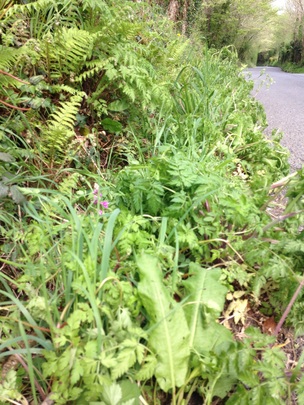 Ban Roundup Use By Kilkenny County CouncilGlyphosate the main ingredient in Roundup is poisonous to humans, wildlife and the environment. According to the WHO it is 'probably carcinogenic'. https://www.scientificamerican.com/article/widely-used-herbicide-linked-to-cancer/ It is being sprayed on roadsides, paths, in housing estates close to where people live. Ireland has the second highest levels of glyphosate in surface water in the EU. Page 83 http://onlinelibrary.wiley.com/doi/10.2903/j.efsa.2015.4302/epdf472 of 500 SignaturesCreated by Neil Maclean
 -
 Fully Implement the Charities ActIt will help in the fight against self serving associates robbing money donated by well meaning people. The latest scandal involves Console. Draft sections of the audit revealed that former Console boss Paul Kelly and his wife and son spent almost €500,000 on designer clothes, foreign trips, groceries, and other expenses between 2012 and 2014. All three benefited by almost €500,000 in salaries and cars in the same period. This is not good enough. The legislation exists but it's not being implemented. This must change. PART 4 of the Charities Act first action: Protection of Charitable Organisations Investigation of affairs of charitable organisation. 64.— The Authority may appoint a person (in this Act referred to as an “inspector”) or more than one such person to investigate the affairs of a charitable organisation and to prepare a report thereon in such manner as the Authority shall direct.115 of 200 SignaturesCreated by Theresa O'Donohoe
Hello! We use cookies to save you time and show you more relevant campaigns. Need more information?