
50 signatures reached
To: Irish Government
Peaceful Coexistence: Reintroducing Mac Tíre, Irish Wolf back to Ireland Forest
Dear Deputy,
I am Lai Ching Ng, conservationist and landscape architect from Hong Kong. It’s an urgent call for Irish wolves conservation and its relevance with 2% intact Irish native forest left. The aim of reintroducing of wolves is to empower back how ecosystem works, and promote a peaceful coexistence with wildlifes under extreme imbalance ecosystem situation in Ireland. Irish extinct native predator, the Eurasian Wolf (Canis lupus lupus) was once widely populated in Ireland , thus it was known as "Wolf Land," Ireland’s native packs were systematically eradicated through deforestation and human activities.
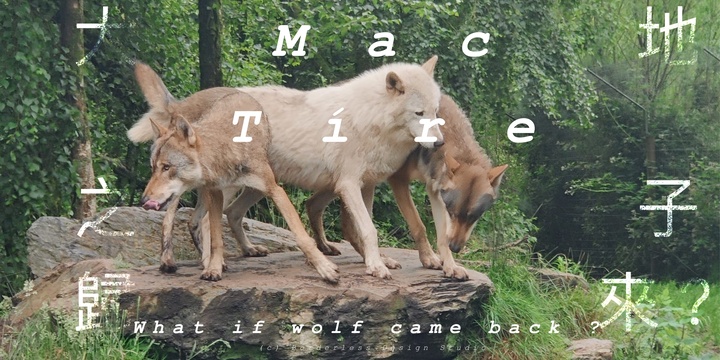
Culturally, the species' deep legacy lives on. The Irish language term for wolf is Mac Tíre, meaning "son of the land," and the animal features prominently in Irish mythology and ancient folklore. Yet, the last wild wolf in Ireland is said to have been hunted in 1786 in County Carlow, 300 years after they were believed to have been wiped out in England 100 years after their disappearance from Scotland.
Why is wolf important for the native forest ecosystem in Ireland? As the overgrazing and overpopulation of deers and livestocks are over 80% of land today in Ireland , it significantly suppresses the ability for forest resilience itself as young seedlings are constantly eaten by deers and soils are compacted by these artificial activities. Without natural predators, the ecosystem is never balanced and sustainable.
Why Wolf is the best predator candidate for introduction?
Extremely Low Risk: According to a report by the Norwegian Institute for Nature Research, the risk of a wolf attacking a human is above zero but statistically "far too low to calculate," as wolves are naturally shy, elusive, and prefer to avoid humans.
Global Statistics (2002–2020): * Researchers recorded 26 fatal attacks globally over 18 years, with the highest concentration (12) occurring in Turkey.
In Europe and North America combined, there were 12 attacks (involving 14 victims), of which only 2 were fatal (both in North America).
Primary Contributing Factors: Rabies played a significant role in the majority of incidents (78% of victims were rabid). Other classifications included predatory attacks (67) and provoked or defensive attacks (42). Rare attacks typically happen when natural prey is scarce or wolves become habituated to humans.
Risk Reduction Strategies: To minimize risks, the report recommends keeping wolves away from human-associated food sources (like landfills and garbage dumps), properly disposing of farm animal carcasses, and effectively communicating realistic risks to the public to manage fear.
There are few key ecological benefits of wolves reintroduction:
Keystone Predators: Wolves sit at the top of the food chain as apex predators and play a vital role in maintaining ecosystem health, affecting prey, plants, and landscapes.
Regulating Prey Populations: By hunting large herbivores like elk and deer (often targeting older or weaker animals), wolves prevent overgrazing, protect vegetation, and improve the overall health of prey herds.
Restoring Ecological Balance: Controlling herbivores allows plants to recover and thrive. This creates a ripple effect, demonstrated in Yellowstone National Park where plant recovery brought back beavers and created new habitats.
Controlling Disease: Keeping herd populations at manageable levels helps reduce the crowding that allows illnesses like chronic wasting disease (CWD) to spread.
Supporting Other Wildlife: Wolf kills leave behind food scraps that sustain scavengers such as eagles, ravens, and bears. They also manage competitors like coyotes, protecting smaller mammals and birds.
Improving Soil and Water Quality: By preventing overgrazing, wolves indirectly reduce soil erosion and water pollution, preserving resources for other species.
Promoting Biodiversity: Wolves stop any single species from dominating, which encourages a wider variety of plant and animal life to flourish.
Please refer the following articles for full research from Wild Ireland and related experts.
All in all, I sincerely hope and believe that introduction of wolves is a key ecological measure to help forest resilience and get back the ecosystem balance before it is too late to restore. 2% of intact forest is still hope for its resilience, the faster we do it the less costs for future biodiversity we need to pay for. The aim of reintroduction of wolves is to empower ecosystem works, embrace the wisdom of Mother Earth and promote a peaceful coexistence with wildlifes under extreme imbalance ecosystem situation in Ireland.
Kind regards
Lai Ching Ng Daisy
Why is this important?
Every voice from people matters for saving the Irish native forest and balance the ecosystem urgently as the 2% of intact native forests are still under threaten by the extreme imbalance of ecosystem in Ireland.